

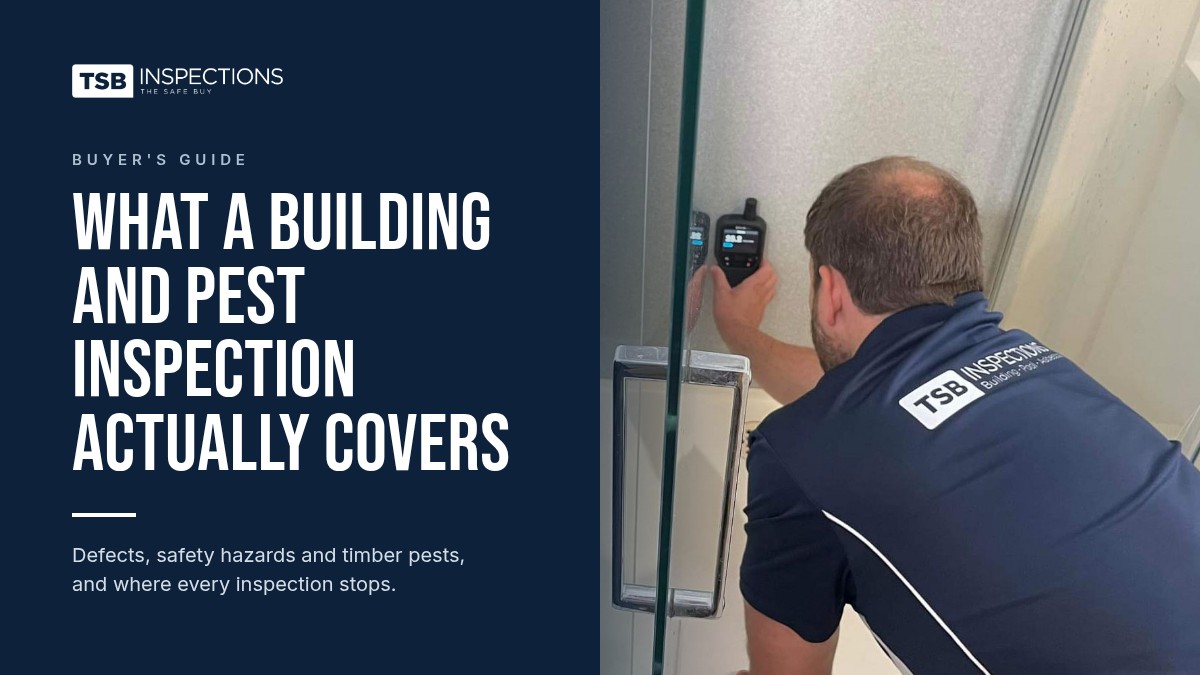
A building and pest inspection is a visual check of the parts of a property we can safely get to. We’re looking for building defects, safety hazards and signs of timber pests such as termites. We can’t see inside walls or under fixed floors, and a good report will tell you where those limits were.
Most of our work is on the Mornington Peninsula and in Frankston, so the examples below come from houses we’ve been through recently.
The short version
- It’s a visual, non-invasive inspection done to Australian Standards AS 4349.1 and AS 4349.3.
- We report safety hazards, major and minor defects, and timber pest damage or risk.
- No live termites on the day doesn’t mean the house has never had them.
- You get a written report with photos the same day.
- Book it before you sign or bid.
A building and pest inspection checks what’s visible and reachable
It’s a proper look at the condition of the house on the day. An open home gives you about 15 minutes and a freshly painted lounge room. An inspection gets past that.
There are two parts to it: the building itself, and timber pests.
The building inspection looks past the paint
Tim and the team look for safety hazards, major defects, minor defects and maintenance items. Where it’s safe to get to, that covers the inside of the house, the outside walls, the roof and gutters, the roof space and subfloor, and the grounds and any other structures included in the job.

A lot of what we find isn’t exciting. A leaking pipe under the sink won’t make the listing photos, and neither will a downpipe emptying against the house. You still want to know about them before you buy.
Major and minor defects mean different things
These words can look alarming in your first report. A major defect doesn’t automatically mean you should walk away.
A major defect is a more significant problem that can affect the building’s condition, structure or use, and may need substantial repair. A minor defect is less serious, but it can still need fixing or regular maintenance. Safety hazards get flagged on their own, whatever category they fall into.
So read the recommendation, not just the label. Soft decking might mean replacing a few boards or the whole deck. A leaking waste pipe usually means a call to a plumber. Our guide to major and minor defects explains how we tell them apart.
The pest inspection looks for more than live termites
A house can have termite damage with no termites in sight. They may have moved through years ago and left the damage behind. So we look for visible evidence of termite activity and past damage, wood borers and fungal decay. We also note anything that makes a house more attractive to pests, like a damp subfloor or timber sitting in the soil.
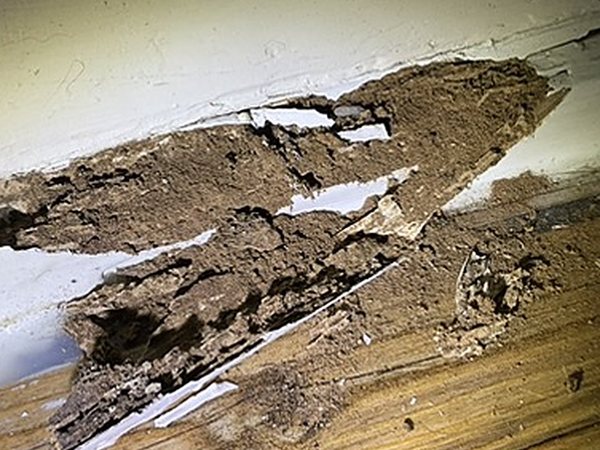
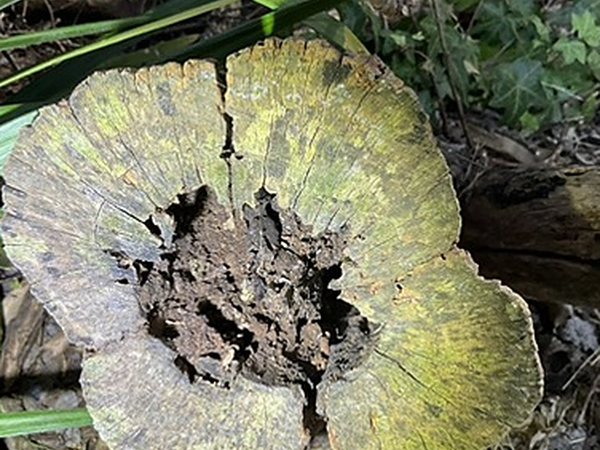

We take moisture meter readings, check wet areas for temperature differences and tap timber to hear whether it sounds hollow. The point isn’t a simple yes or no on termites. It’s an honest picture of what we could see and what you should do next.
Moisture problems hide in ordinary places
Water does its damage where nobody looks at an open home, like the cupboard under the sink or the wall behind the shower.
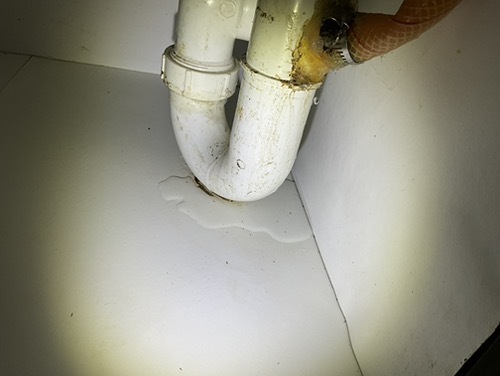
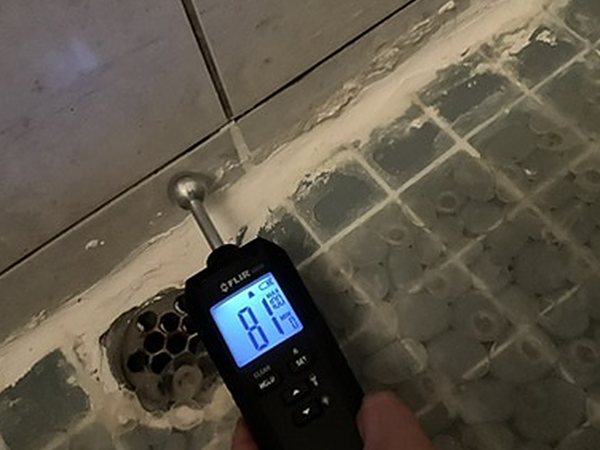
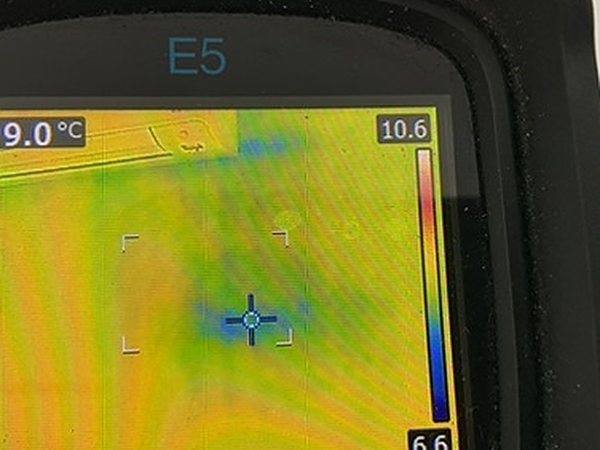
On a recent Peninsula inspection we opened the cupboard under the kitchen sink and found the waste pipe leaking into the cabinet, along with a few other moisture problems. The kitchen itself looked great. Most buyers would never have opened that door.
We can pick up visible signs of moisture and tell you when something needs a closer look. We can’t tell you how far the damage goes behind a wall or under a floor. That’s why the limitations section of your report is worth reading.
No inspection covers everything
A standard pre-purchase inspection is visual and non-invasive, and it only covers areas we can reach safely. Our reports follow Australian Standards AS 4349.1 and AS 4349.3, which set those limits. We can’t see through walls, lift fixed flooring or guarantee the condition of parts of the building that are covered up.
Some things need a separate inspection or a specialist, including asbestos, electrical and plumbing compliance, and pool barriers. We do asbestos inspections and pool and spa barrier inspections ourselves, so mention it when you book if either applies.
You get a written report with photographs
Your report lists each finding with photos and a recommendation, and you’ll have it the same day. If something doesn’t make sense, give us a ring. We’d much rather explain it than have you guess.
Book before you’re legally committed
Ideally you know the condition of the property before you’re bound to buy it. If you’re bidding at auction, get the inspection done beforehand. For a private sale, ask your conveyancer or solicitor whether a building and pest condition can go into the contract. Our guide on when to book has more on timing.
An inspection won’t find you a perfect house. Hardly any house is. What it gives you is a clear idea of what you’re taking on before you sign.
Questions we often get
What does a building and pest inspection include?
A building inspection that covers safety hazards, major defects and minor defects in the areas an inspector can safely reach, plus a timber pest inspection for termites, wood borers, fungal decay and conditions that attract pests.
Can an inspection find termite damage if no live termites are present?
Yes. We look for evidence of past activity and damage as well as live termites. A report of no live termites isn’t a guarantee that a property has never had termites or never will.
What isn’t covered by a building and pest inspection?
Anywhere that can’t be reached safely, such as inside walls and under fixed flooring. Specialist checks like asbestos testing, electrical testing and pool barrier compliance need separate inspections.
How quickly will I get my report?
The same day, with photos and a recommendation for each finding.

Talk to Tim before you buy
Send us the address and your auction or contract dates, and we’ll let you know what we can do.
Request a quoteor call 0466 916 716